
Busting the top casino myths Truths behind the glamour and glitz
Understanding Casino Odds
One of the most pervasive myths in the casino world is the belief that players can consistently beat the odds through strategy or luck. In reality, the house always has an edge, meaning that over time, casinos are designed to profit from the games they offer. This doesn’t mean that players can’t win occasionally; rather, it highlights the importance of understanding that gambling is ultimately a game of chance. Knowing the odds can help players make more informed decisions, but it doesn’t guarantee success. When exploring different aspects of this entertainment, many may also look into online casinos to enjoy similar experiences.
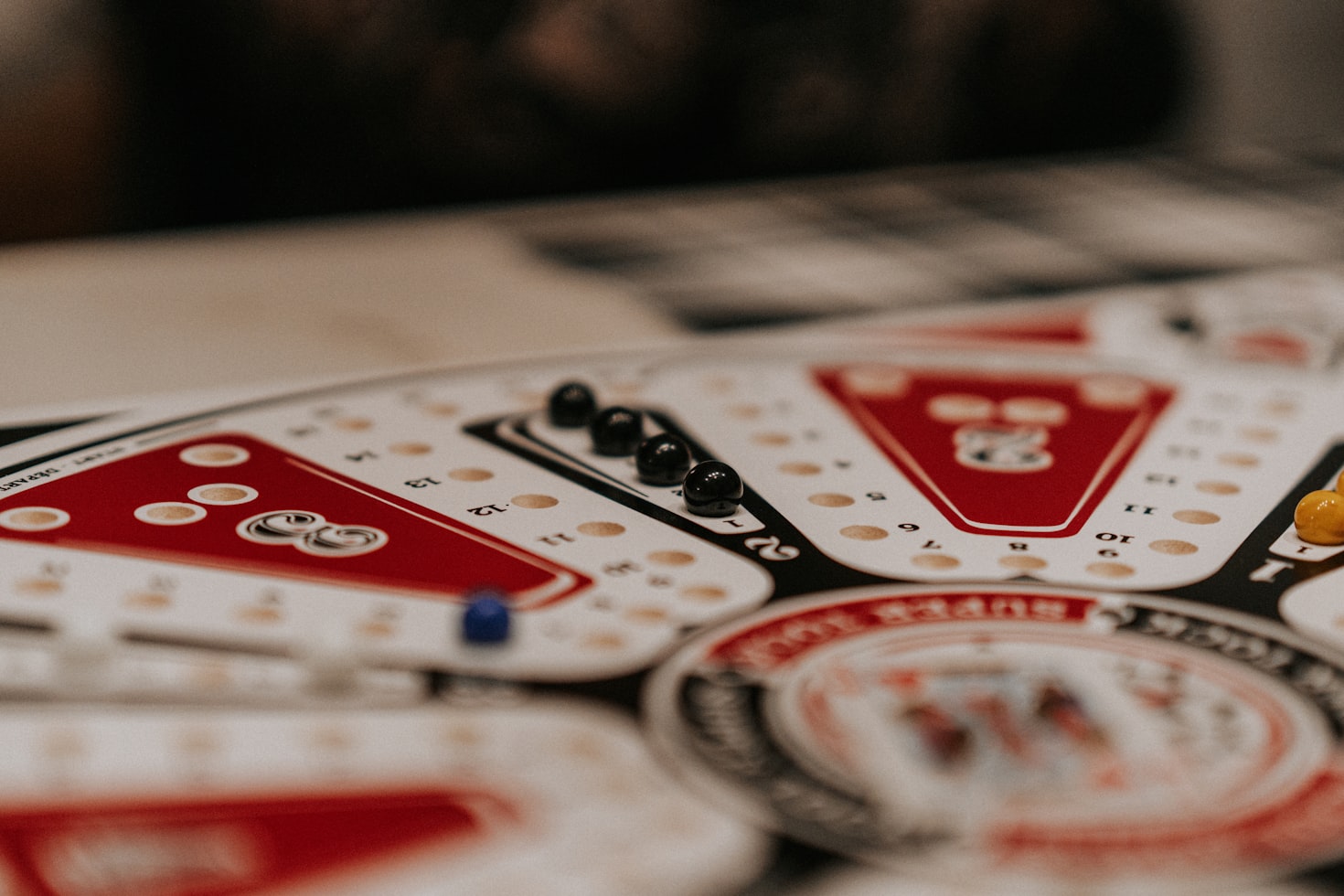
Additionally, many gamblers are misled by their experiences, thinking that winning streaks are predictable or that past outcomes can influence future results. This is a classic example of the gambler’s fallacy, where players mistakenly believe that a win or loss is due after a certain streak. Understanding the statistical nature of games can demystify these beliefs and promote more responsible gambling habits.
The Allure of Free Drinks and Entertainment
Casinos often lure in patrons with the promise of free drinks and extravagant entertainment. However, a common myth is that these perks are completely complimentary. While it may seem like players are getting something for nothing, it’s essential to recognize that these offers are factored into the overall cost of gambling. Casinos aim to keep players on the floor longer, increasing their chances of spending more money.
Furthermore, the experience of glitz and glamour can create an environment where individuals feel compelled to gamble more. The bright lights, vibrant sounds, and constant availability of drinks can cloud judgment. Knowing that these benefits come with strings attached can help players maintain control over their gambling habits and finances.
The Myth of Lucky Numbers and Rituals
Many gamblers swear by lucky numbers or rituals, believing that these practices can enhance their chances of winning. This belief is deeply ingrained in gambling culture, with players often attributing their successes to these perceived lucky charms. However, there is no statistical evidence supporting the idea that such practices have any impact on the outcome of games.
While engaging in these rituals can add a layer of personal enjoyment to the gaming experience, it’s essential to remember that they do not influence the randomness of the games. Understanding that luck is arbitrary can free players from the anxiety of relying on superstitions, allowing for a more enjoyable and relaxed gaming experience.
The Reality of Gambling Addiction
A significant myth surrounding casinos is the belief that addiction only affects a small, identifiable group of people. In truth, gambling addiction can affect anyone, regardless of their background or experience. Many individuals may not recognize their gambling habits as problematic until it has caused significant personal or financial harm.
Education and awareness about the signs of gambling addiction are crucial. Many casinos now provide resources for responsible gambling, recognizing the need for a balance between entertainment and safety. By understanding the risks associated with gambling, players can make informed choices and seek help if needed.

Connecting Through Shared Experiences
This website serves as a platform for individuals to explore various topics, including gambling, fostering a sense of community and shared experiences. It offers insights and resources that empower users to engage in meaningful discussions about gambling myths and realities. By sharing personal experiences, individuals can help demystify common misconceptions and promote more responsible gambling practices.
Connecting with others can provide invaluable support and encourage a healthier perspective on gambling. This platform aims to enhance personal growth while allowing users to navigate the complexities of gambling culture together, emphasizing the importance of community and shared knowledge.